Chiller used in plastic mold cooling
The chiller is used in the cooling of plastic processing machinery forming molds, which can improve the surface finish of plastic products, reduce the surface marks and internal stress of plastic products, make the products not shrink or deform, facilitate the demoulding of plastic products, and
The chiller is used in the cooling of plastic processing machinery forming molds, which can improve the surface finish of plastic products, reduce the surface marks and internal stress of plastic products, make the products not shrink or deform, facilitate the demoulding of plastic products, and accelerate the finalization of products. , so as to greatly improve the production efficiency of the plastic molding machine; the chiller for the injection molding machine is used for the plastic pellets to be heated and melted and then injected into the mold. Cooling is carried out to shorten the plastic coagulation time, improve the dimensional accuracy of the workpiece, the molding quality and the surface quality.
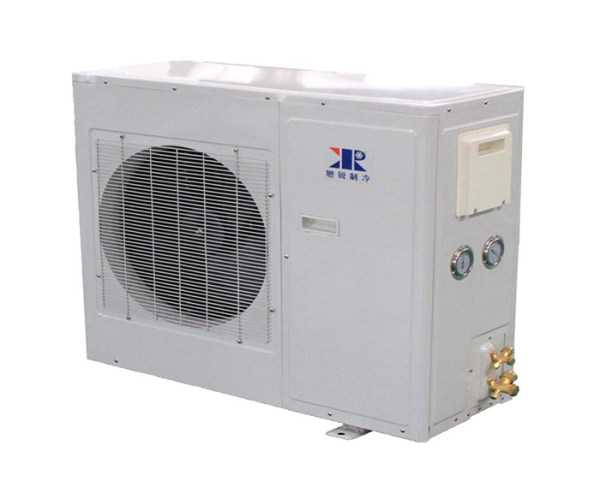
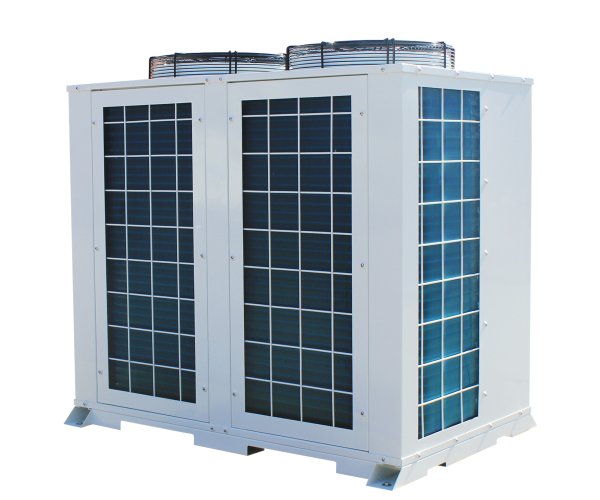
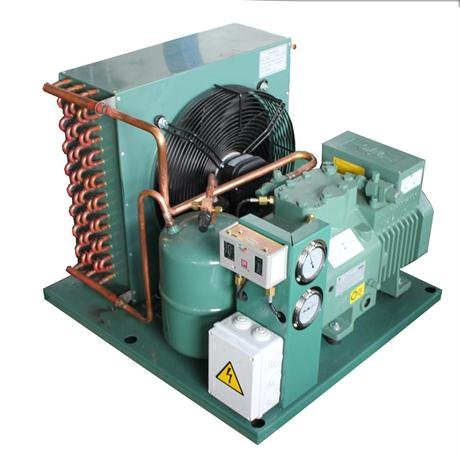
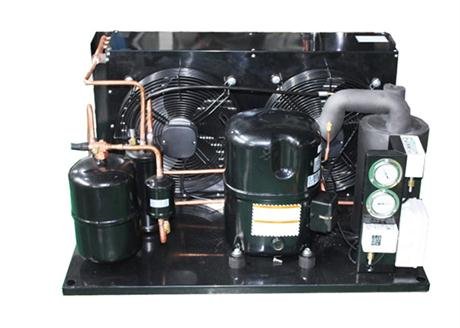
Injection molding machine condenser
Frozen water temperature difference requirement: ±2K or ±0.5K
The cooling capacity of the chiller is related to the injection volume (usually called "oz") of the injection molding machine. The larger the injection volume, the larger the cooling capacity required.
Working steps:
1. Extrusion
Extruded pipes, ducts, cables and various plastic profiles
The heated and melted raw material is formed by the mold and then cooled by a frozen water bath. The water temperature in the frozen water bath must be kept constant
Due to the high production speed, the surface needs a large cooling capacity unit
Since the existing frozen water tank is large enough, the unit may not be equipped with a water tank
2. Bottle blowing
Mainly produce all kinds of mineral water bottles, soda bottles
Compressed air drying - clean and dry compressed air is required for bottle blowing, and the water in the compressed air can be removed by using the chilled water provided by the industrial chiller as the cold source
Mold Cooling - The chiller can accurately control the mold temperature, improve product quality and improve production efficiency
The same chiller can be used as the cooling source for compressed air drying and mold cooling
3. Thermoforming
Common products are some small containers, such as yogurt cups
Plastics are extruded into a mold heated at a constant frequency. It is very important to maintain a constant temperature. The temperature difference range of the chilled water is very high, so a proportional chilled water valve is needed to accurately adjust the temperature. .
4, hydraulic system
Mold opening, mold closing, and material injection all need hydraulic system to complete, the hydraulic oil absorbs the energy of the hydraulic pump and the temperature rises, usually the oil temperature cannot be higher than 60℃
The appropriate cooling water temperature is about 27℃. Since the water temperature is required to be different from the mold, the electric water valve needs to be separated from the mold cooling circuit or a separate cooling system is required.
Product Features
1. Application areas include: injection molding industry, mold forming, product cooling, professional supporting various types of injection molding machines, extruders, and bottle blowing machines.
2, easy to install, easy to clean, flexible to move, effectively save time for customers and improve work efficiency.
3. All-metal paint finish frame, anti-rust and anti-vibration treatment, low noise, high-efficiency heat exchange material, high energy efficiency ratio.
4. Humanized operation interface, intelligent control, flexible and changeable, do whatever you want, safe and worry-free.
5. Adopt a brand-new imported brand compressor, built-in high-flow water pump, equipped with 304 stainless steel expansion tank, and install automatic water replenishment device, excellent throttling technology, high-efficiency copper fin condenser and shell-and-tube evaporator The perfect combination makes the unit exceedingly perfect.
6. Full intelligent temperature control system, the unit is designed to run 24 hours without stopping.
Protection:
1, phase loss, reverse phase protection device;
2. Motor overload protection device;
3, high and low pressure protection device;
4. Water shortage automatic alarm device;
5, the temperature is too low, anti-icing protection device;
6. Coil overheating protection device;
7, insufficient water flow protection device;
8, automatic temperature control system

 浏览器自带分享功能也很好用哦~